How to solve a logic puzzle where one witness is lying
Updated 30 October 2026
By the Heistgrid team, a small puzzle studio · How we check every case
Exactly one witness statement is false. Assume each witness in turn is the liar, solve with the other statements, and keep the only choice that gives exactly one answer.
What is a liar logic puzzle?
It's a normal grid puzzle with one twist. Besides the hard clues (what we saw for ourselves: the layout, the objects, a footprint by the door), you also get statements from witnesses. And one of those witnesses isn't telling the truth.
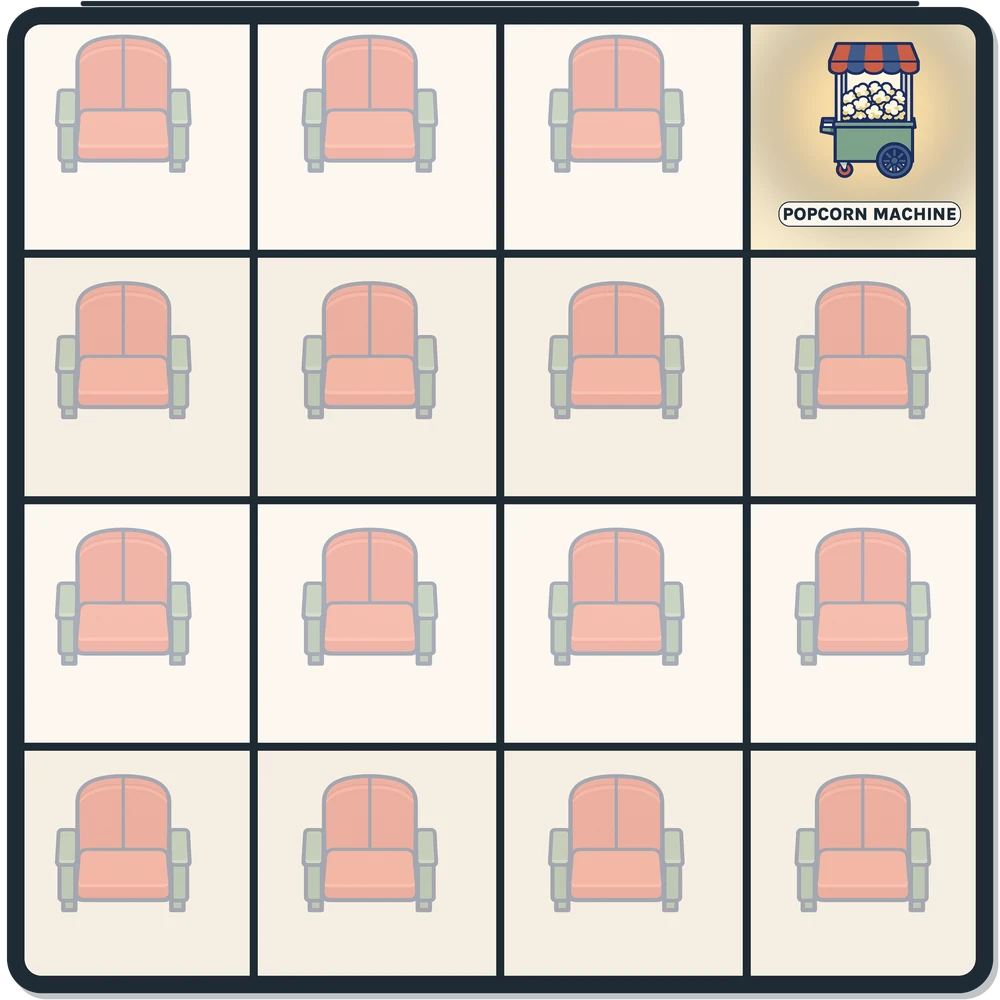
Two things are always true in our liar cases:
- The hard clues are always true. You can lean on them completely.
- Exactly one witness statement is false. Not zero, not two. Just one.
In our cases these are Head Detective cases. If you haven't solved a regular grid puzzle yet, start with our step-by-step grid guide first. Everything there still applies.
How do I find the liar? Test each witness
You can't tell who's lying by reading the statements. So don't try. Instead, test each witness in turn, like this:
- Pick one witness and assume they are the liar.
- Flip their statement: whatever they said, the opposite is true.
- Treat every other statement as true, along with all the hard clues.
- Try to solve the grid with that set of facts.
- Write down what happened: a contradiction, several answers, or exactly one.
Then move on to the next witness and do it again.
It helps to keep a small tally as you go. Next to each witness's name, write a cross if the test broke, a question mark if it left more than one answer, and a tick if it gave exactly one. With four witnesses you'll end up with four marks, and only one of them will be a tick. That tick is your liar, and the board you built during that test is your solution. Then read the final clue against it to find out who did it.
Here's a made-up example. Three witnesses say: Ada says "I stood at the front." Ben says "Ada stood at the back." Cleo says "I was next to the bench." If Ada is the liar, she wasn't at the front, which agrees with Ben. If Ben is the liar, Ada wasn't at the back, which agrees with Ada. You'd then check each of those against the hard clues and the grid to see which one holds up.
Why does exactly one choice work?
When you pick the wrong liar, one of two things happens. Either the facts clash (two people need the same row, or a statement you trusted can't be true), or the facts are too loose and the grid has more than one way to fill it. Both mean that witness isn't the liar.
We build every liar case so that only one choice leaves a board with exactly one answer. That's how you know you're done: not because it feels right, but because every other choice broke.
It's worth testing every witness, even after you find one that works. It only takes a minute, and it's a good check that you didn't slip somewhere.
Are there shortcuts?
Yes. Look for two witnesses who can't both be right. In the made-up example above, Ada and Ben can't both be telling the truth: she can't be at the front and at the back. So one of them is the liar, and that means Cleo is telling the truth. You only need to test two witnesses, not three.
A few more habits that save time:
- Place the hard clues first. They're true no matter who's lying, so whatever they pin down stays put through every test.
- Use pencil marks for each test. Keep the hard-clue placements in pen and each "what if" in pencil, so you can rub out a test without losing your progress.
- Watch the flipped statement. "Not at the front" leaves several rows open. The opposite of a statement is often looser than the statement itself.
- A witness agreeing with the hard clues isn't proof. Every statement except one is true, so lots of them will agree. Test anyway.
Where can I practise?
Try a Head Detective case. They're 4×4 grids with one lying witness, and the board below is a good place to start. When you get stuck, go back to the method: one witness at a time, flip their statement, and see what breaks.
New to the basics? The how to play page has every rule on one page.
Try it yourself





Want 50 of these on paper?
Our book has 50 cases, from gentle to tricky, with step-by-step solutions at the back. About the book
The book: 50 cases, from Junior Sleuth to Master Detective.
Buy the book